Notice
Something changed. Start with information instead of a panic search.
A BETTER WAY TO TALK ABOUT A VERY HUMAN PROBLEM
Toenail fungus can be persistent, awkward, and frustrating to navigate. TFSF is being built to replace shame and internet folklore with useful information, real lived experience, and a clearer path to professional care.

TFSF is designed around what a visitor is actually trying to do, not around an organizational chart.
Start with the plain-language evidence and learn what a professional can help determine.
Explore recovery expectations, questions to take to appointments, and the future survivor toolkit.
See how TFSF plans to publish first-person stories with explicit permission and context.
Learn about the planned clinical-review and future directory pathways.
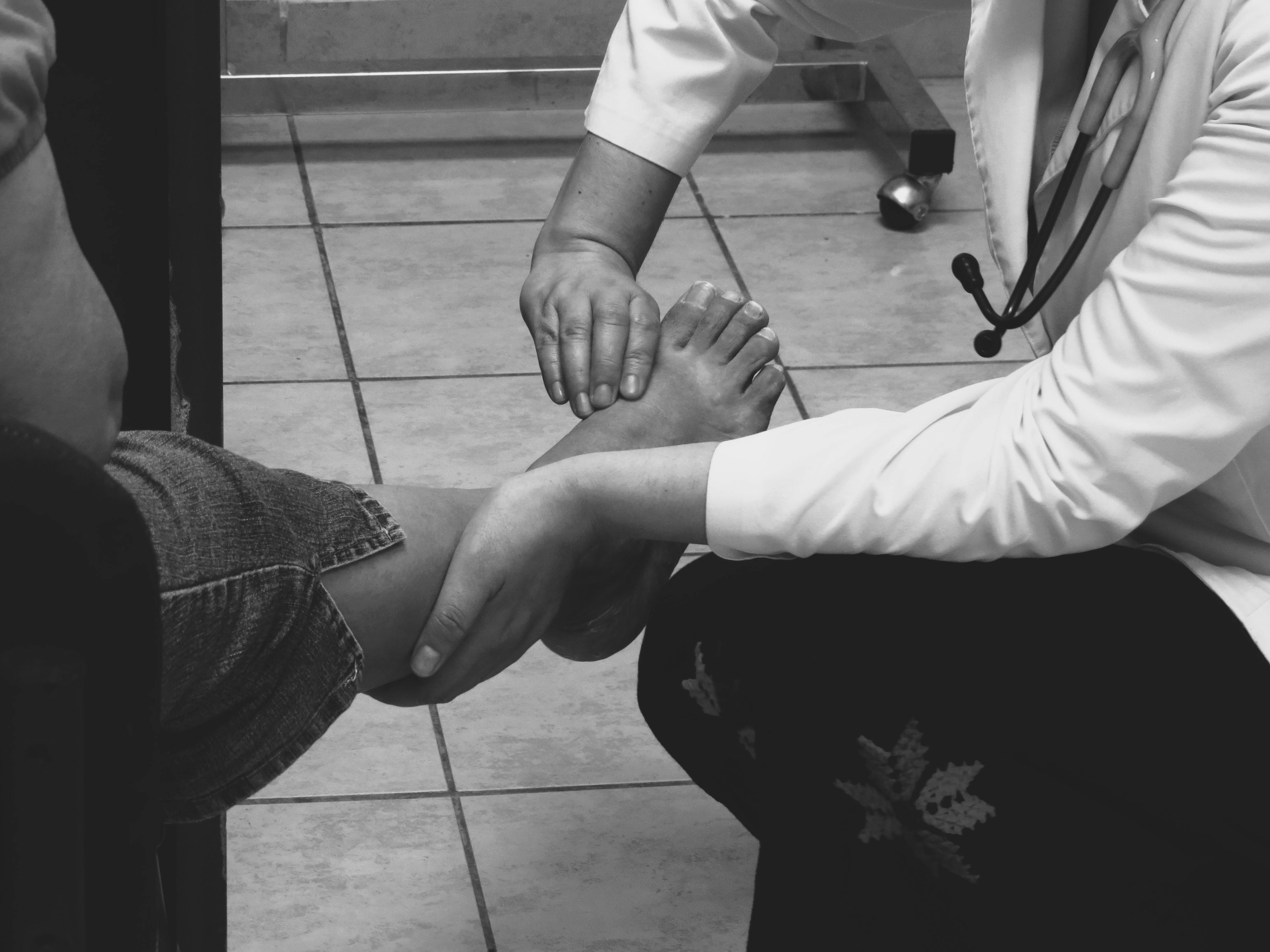
Search for toenail fungus and you can quickly end up with dramatic images, miracle-product claims, conflicting advice, or pages written mainly to sell something.
TFSF is being built as a different kind of destination: visually human, editorially disciplined, and explicit about the line between education, professional care, and commerce.
The experience is intentionally simple. TFSF is a guide rail, not a replacement for professional evaluation.
Something changed. Start with information instead of a panic search.
Understand why professional evaluation can matter when a nail looks abnormal.
Learn what professional treatment pathways may involve and why timelines vary.
Track progress, protect your routines, and stop letting the problem define the moment.
The CDC says nail infections (onychomycosis) may affect up to 14% of the population, with toenails affected more often than fingernails.
The American Academy of Dermatology notes that nail psoriasis, injury, and other conditions can look similar. A clinician may use examination or a nail sample to help identify the cause.
Because nails grow slowly, visible changes can lag behind the point at which an underlying problem has started responding to care.
Search-friendly, plain-language answers are part of the planned TFSF knowledge base.
Toenail fungus is commonly called onychomycosis. It is a fungal infection affecting the nail. TFSF uses the term as an educational topic, not as a way to diagnose an individual visitor.
Yes. The American Academy of Dermatology notes that other nail conditions and injuries can resemble fungus, which is one reason professional evaluation can be useful before assuming the cause.
Toenails grow slowly. A change in the visible nail can therefore take time, and the appearance of the nail may not change immediately after an underlying problem begins to respond.
No. The current site is an educational and community concept. It does not provide diagnosis, prescribe treatment, certify clinicians, or replace a qualified healthcare professional.


The long-term vision is a library of first-person stories covering the parts people rarely discuss: what they noticed, what pushed them to seek care, what the process felt like, and what life looked like when the problem stopped taking up so much mental space.
There will be no scraped forum photos, invented testimonials, or synthetic “before and after” theater. The person who lived the story should control how it is told.
The toolkit is planned as a practical layer above the evidence desk: appointment questions, care-tracking templates, story prompts, and plain-language explainers.
Questions to bring to a podiatry or dermatology visit.
Planned resourceA simple way to record what you notice over time without obsessing over day-to-day changes.
Planned resourceClear explanations that separate common internet claims from sourced information.
Planned resourceA gentle framework for people who want to share what happened in their own words.
Planned resourceTFSF plans to build a clinician pathway around transparent qualifications, licensure, communication, and patient respect. A professional will not be labeled “Survivor-Certified” unless a real documented program exists.
Explore partnership pathway ↗Review public-facing education for accuracy and clarity.
Document who qualifies and why before publishing listings.
Build around respectful communication, not fear-based conversion.
The project is currently in formation. The first job is credibility: build the evidence library, recruit clinical reviewers, collect permission-based stories, and test whether the community actually helps people.